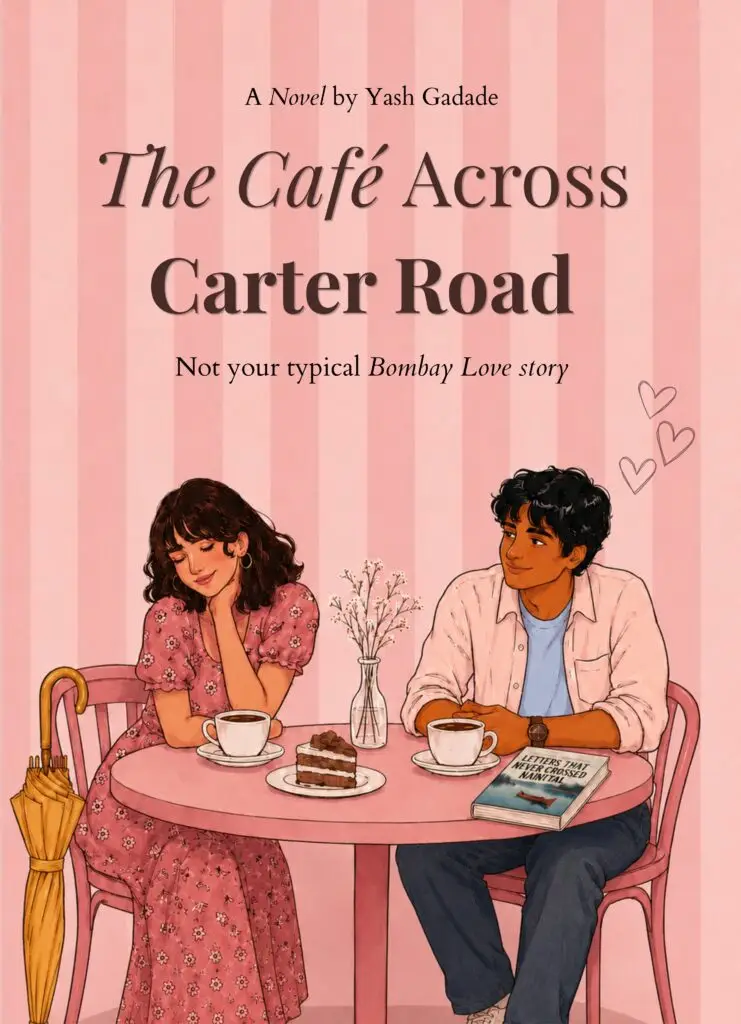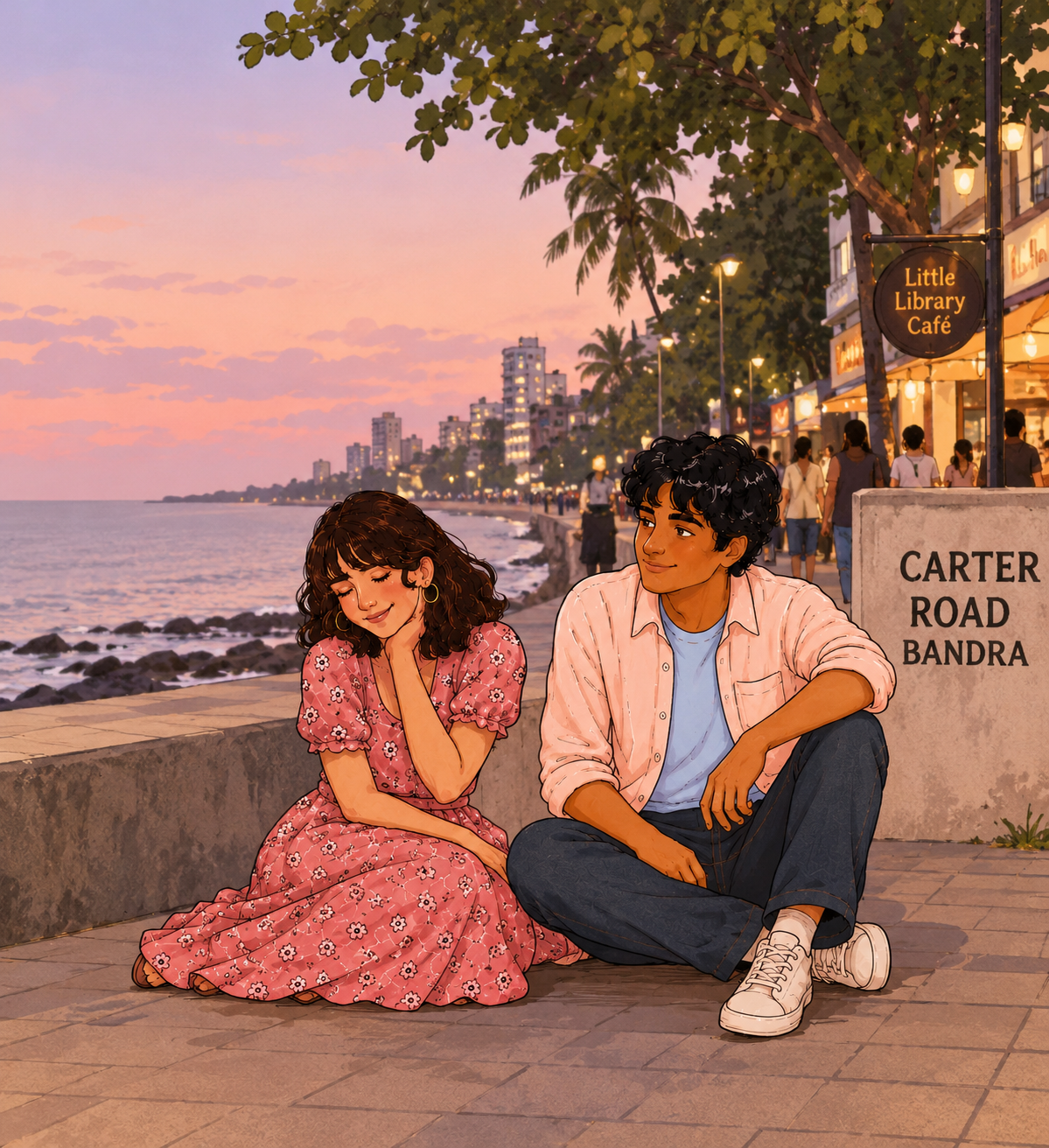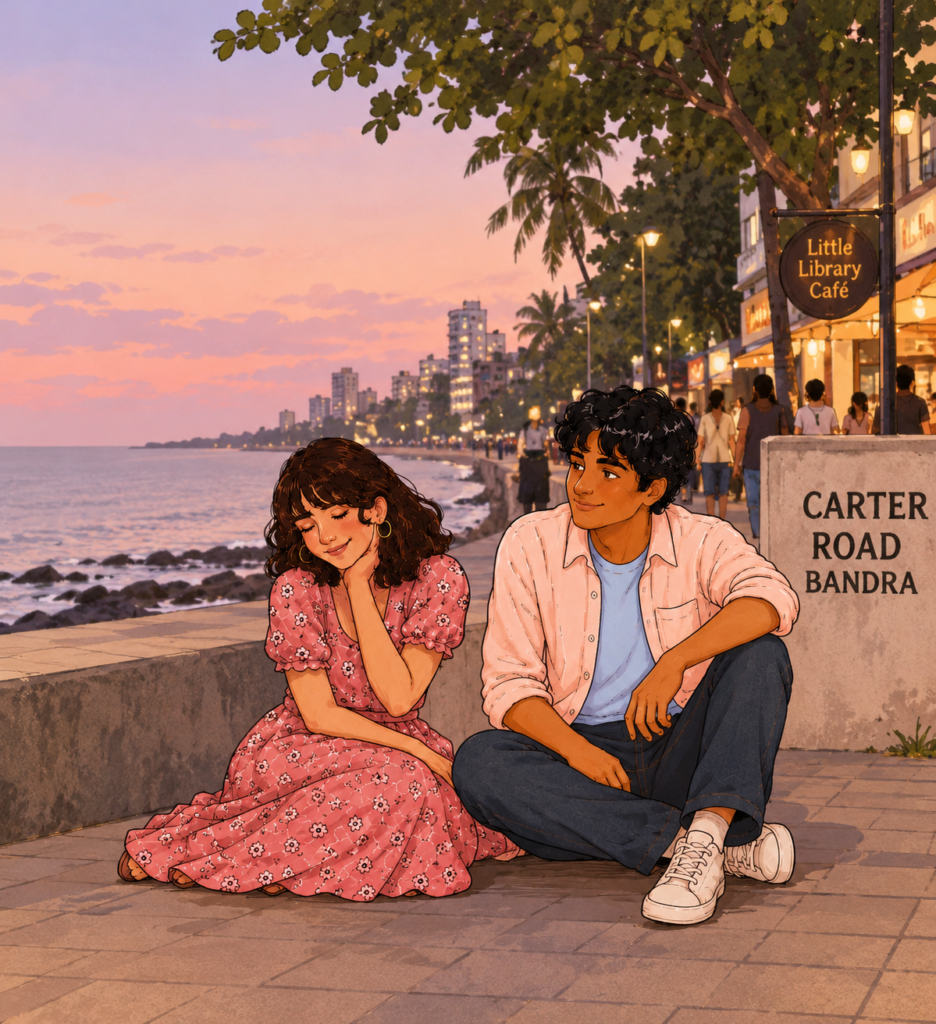
Love beyond religion sounds simple until two families get involved. Some love stories end not because the feeling ran out, but because faith, family and society left two people no room. That idea is the seed of my novel The Café Across Carter Road.
Love is a strange thing. Two people meet without planning to. Within weeks they are each other’s favourite part of the day. They remember the small stuff, like the order the other one always asks for, or the song they hum when they think nobody is listening. They talk until three in the morning, and somewhere in those conversations they start picturing a future.
And sometimes none of it is enough.
Nobody cheated. Nobody stopped caring. Nobody died. The world around them just decided that their love wasn’t supposed to exist.
I have seen religion and society break more love stories than death ever did, and that thought has followed me around for years. How many people have walked away from someone they loved, not because they wanted to, but because staying felt impossible? That question is where The Café Across Carter Road began.
When love isn’t the problem, the world around it is
We grow up on love stories. Childhood sweethearts. Strangers who collide by accident. Couples who fight the odds and win.
There is another kind we hardly talk about. Two people love each other deeply, and then their surnames, religions, families and traditions turn out to be louder than their feelings. Love beyond religion is the version of this story we rarely get to see through to the end.
We treat heartbreak as if it always comes from betrayal. But what about the heartbreak of choosing between the person you love and the people you grew up loving? What about the couple who are perfectly happy until society starts asking questions they never expected to answer? What about the family that can’t accept someone from another religion, even though it loves its own child?
That might be the cruellest part. Sometimes the relationship doesn’t fail. The circumstances do. I wrote about the quieter side of this in why hearts get broken even when the love is real.
The thought that gave birth to Adi and Fatima
When I started the book, I didn’t want to write one more story where two people meet, fall in love and live happily ever after. I wanted something closer to real life: two people who can see a future together but can’t pretend the realities standing between them aren’t there.
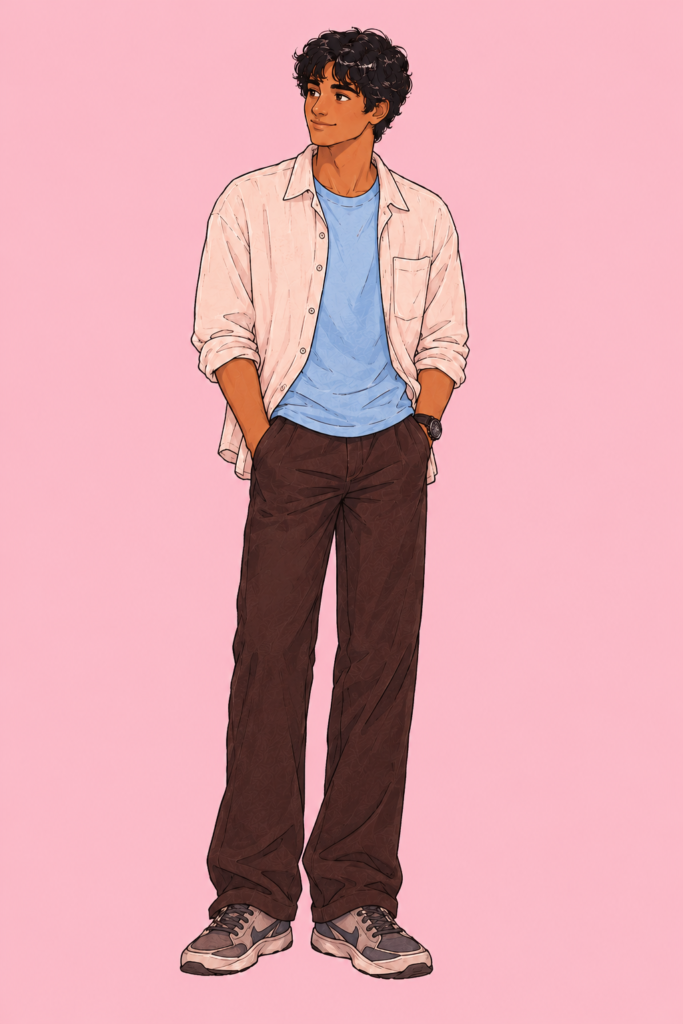
That is how Aditya Pandit, Adi in the book, and Fatima came to be. They are fictional, but the questions under their story are ones I have carried for a long time. What happens when love crosses a line that generations spent building? Can two people build a life when the world keeps reminding them they come from different worlds? And why should the religion someone is born into decide who they’re allowed to love?
I didn’t want either of them, or their families, to be villains. Real people get caught between how they were raised, what they believe and who they’ve fallen for. Everyone has a reason. Somehow everyone ends up hurting.
Why Carter Road? Why a café?
I chose Mumbai on purpose. It is one of the few places where different languages, religions, backgrounds and dreams share the same pavement. You can sit beside a stranger in a café, share a table, swap a smile and never know what their story is.
I wanted a café at the centre of the book: a place where a conversation can happen without the noise of everything outside, where books, coffee, silence and handwritten notes can say more than words. Carter Road felt right. The sea has a way of watching people come and go, listening to things it never repeats. It seemed like the right witness. If you want to know which parts of the book are real streets, I mapped them in Carter Road, Bandra: the real places behind the book.
The Café Across Carter Road is a slow-burn Mumbai romance about love, family and the complicated realities of loving someone society may not readily accept.
Meet Adi and FatimaRead the first chapterDeath takes someone away. Society can make you let go while they’re still here.
When someone dies, we understand the loss. We grieve, we remember, and slowly we learn to live around the gap.
But what if they’re alive, somewhere in the same city, maybe even on the same streets, and you can’t be with them anymore? What do you do when you walk past the café where you once shared a table? When a song reminds you of someone you can’t call? When the person you pictured growing old with becomes someone you’re expected to forget?
That is a different kind of grief, and I think we underestimate how many people carry it.
I’m not saying religion is the enemy of love, and I’m not saying family doesn’t matter. Faith and tradition can be a deep, meaningful part of a life. But I don’t believe love should have to prove its worth through a person’s religion, caste or surname. Two people should be able to choose each other without fighting a whole society just to be together. That is the heart of what I mean by love beyond religion.
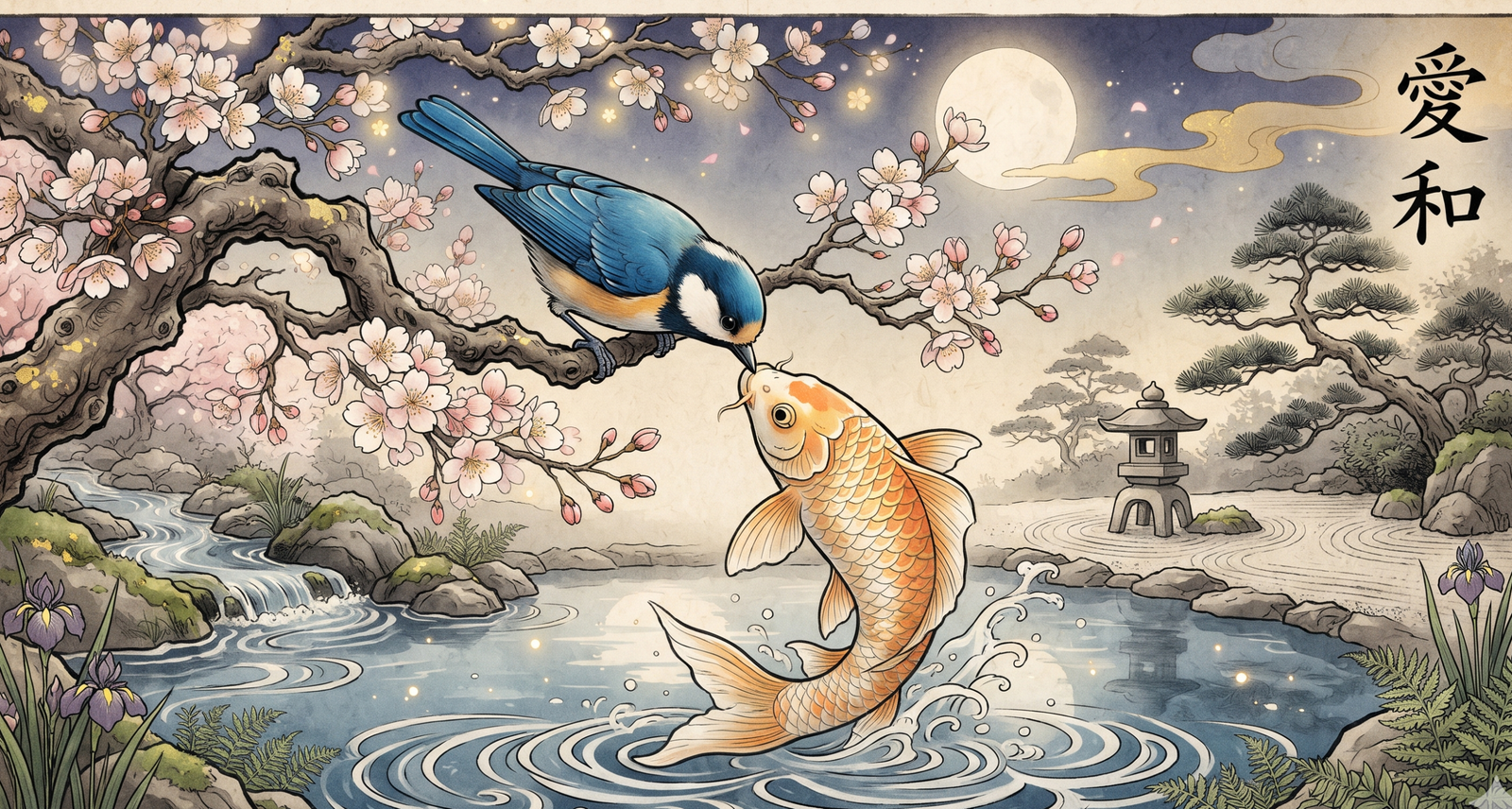
I explored the more personal side of this question, names and belonging, in this post on an interfaith love story set in Mumbai, and a gentler version, about two lovers from different worlds, in If a Bird Falls in Love With a Fish, Where Will They Live?
I didn’t write this book to give answers
If there’s one thing I hope readers take from the book, it’s that it isn’t there to lecture anyone. I wasn’t trying to teach people how to love. I wanted a story that makes someone pause.
Maybe you’ll see a bit of yourself in Adi. Maybe you’ll remember a Fatima you once knew. Maybe you’ll think of a relationship you watched fall apart because two families couldn’t look past their differences. And maybe you’ll understand that not every unfinished love story is unfinished because the people in it stopped trying. Some end because the world never gave them enough room to continue.
A little about the book
The Café Across Carter Road: A Love Story, One Cup at a Time is a contemporary Mumbai romance novel that follows Adi and Fatima through love, family, dreams and the complicated realities of loving someone society may not readily accept. It is a Bandra love story, and one of the Indian romance novels I wrote for readers who like slow-burn romance, handwritten notes, little cafés, meaningful conversations, complicated families and stories that stay with you after the last page.
It is also available in other languages: you can find the French edition and the Spanish edition, El Café al otro lado de Carter Road, on Amazon. If you like your romance slow, you might enjoy why I call it a slow-burn Indian romcom.
One last thought
I don’t know if the world will ever be a place where love is free of judgement. I hope we get a little closer. I hope that one day, when two people tell their families they are in love, the first question isn’t about religion, caste or community. I hope it is simply, “Are you happy?”
Because in the end, we are all just people looking for someone who makes life a little less difficult. If two people find that in each other, maybe society should learn to let them be.
I don’t know if Adi and Fatima will make every reader happy. I do hope their story makes someone think. And maybe, somewhere between the pages, someone finds a small piece of their own story.
With love,
Yash Gadade
Author, The Café Across Carter Road
Frequently asked questions
Is The Café Across Carter Road an interfaith love story?
It’s a contemporary Mumbai romance about Adi and Fatima, who find each other through handwritten notes while family, faith and society make their future complicated. The story looks at love across religious lines without turning anyone into a villain.
Why did Yash Gadade set the novel on Carter Road?
Mumbai brings together different languages, religions and backgrounds, and the Carter Road seafront felt like the right quiet witness for a café love story.
Can love beyond religion survive religious and social differences?
It can, but it takes honesty, patience and room for each person to stay themselves. The argument of this post is that many love stories end not because the love fades, but because the world around the couple leaves no space for it.
Where can I read The Café Across Carter Road?
The novel is on Amazon as an ebook, with French and Spanish editions as well. The book page links to every Amazon store.